

If you are in the healthy-eating circles, then you are certainly aware of the need to balance macronutrients—proteins, fats, and carbohydrates—alongside micronutrients like vitamins and minerals. Both are essential, but they serve different roles.
Macronutrients provide the bulk of our energy and structural needs, while micronutrients fine-tune our body’s functions, supporting everything from immune health to neural efficiency.
In much the same way, academic work can be divided into what I call in How to Successfully Transition into College: From Traps to Triumph, macro and micro labor.
Macro vs. Micro Labor in Academic Work
Just like a healthy body needs both macronutrients (big-picture sustenance) and micronutrients (targeted biological support), a thriving academic environment requires both macrolabor and microlabor. And while both types of nutrients are essential, macronutrients are needed in larger quantities to fuel growth and vitality. Likewise, academic systems thrive when macro labor—like purpose-driven planning, outcome alignment, and conceptual framing—is emphasized as the engine of long-term growth and a vibrant, life-giving learning culture.
Here’s how each group contributes to both forms of academic labor:
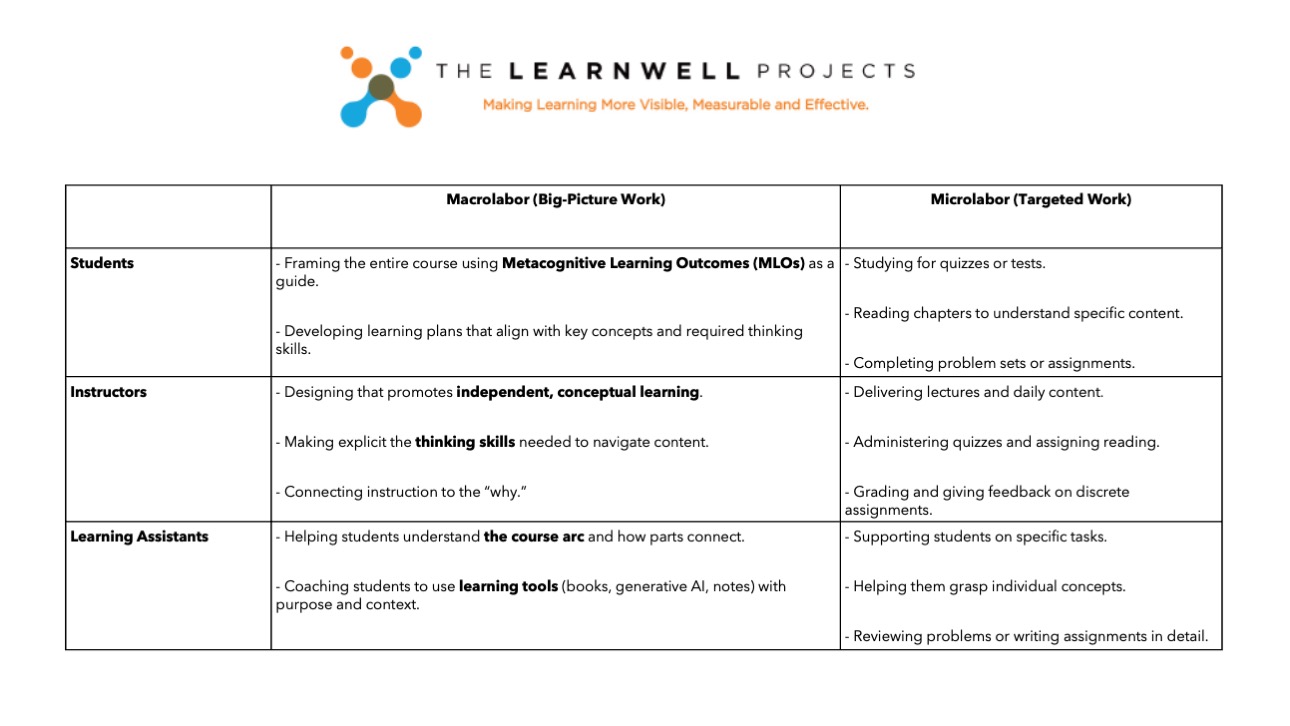
In the end, just as a healthy body needs both macro and micronutrients working in harmony, a thriving academic experience requires both macro and micro labor. By understanding and balancing these layers of academic work, students and educators alike can foster deeper, more meaningful learning outcomes.
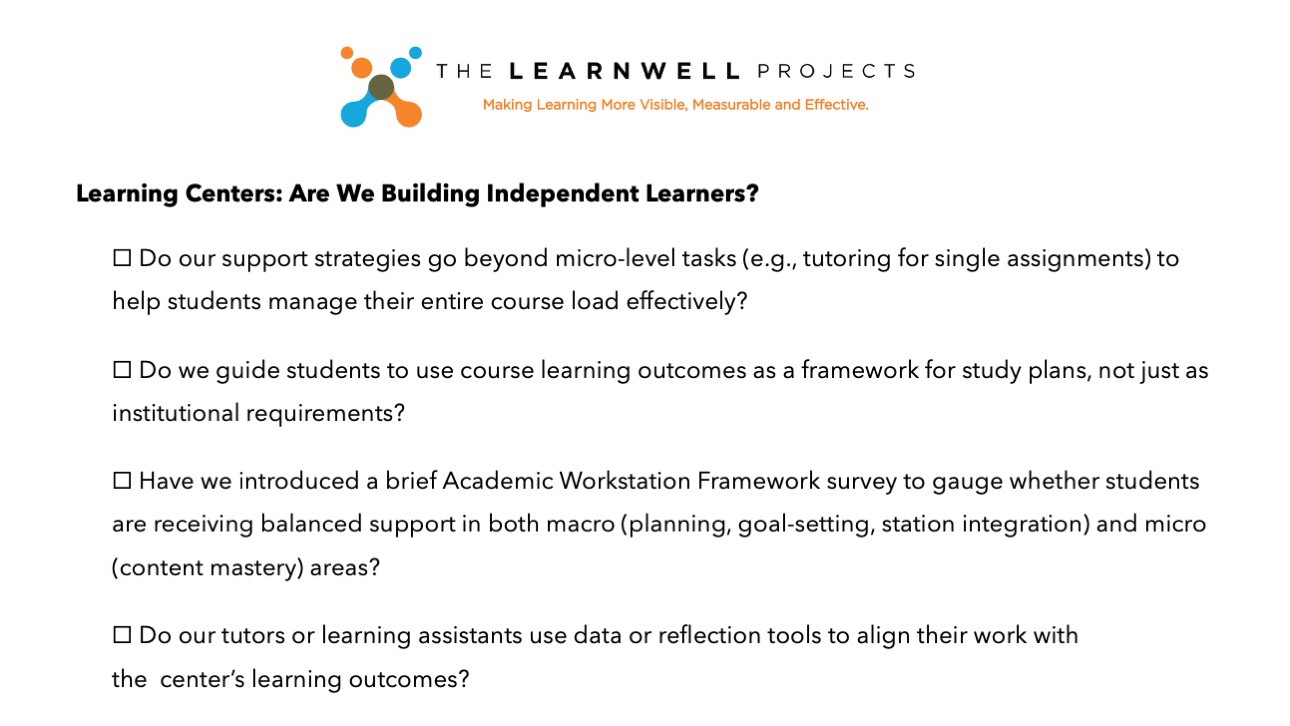
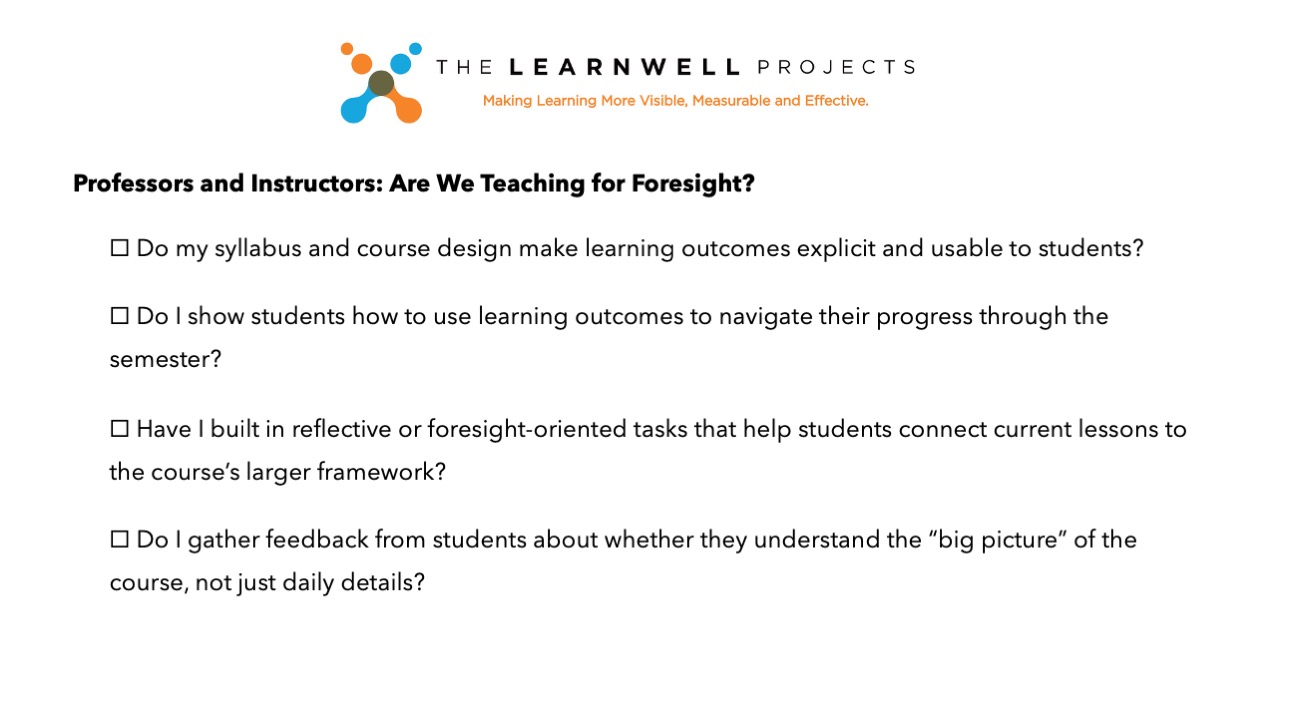
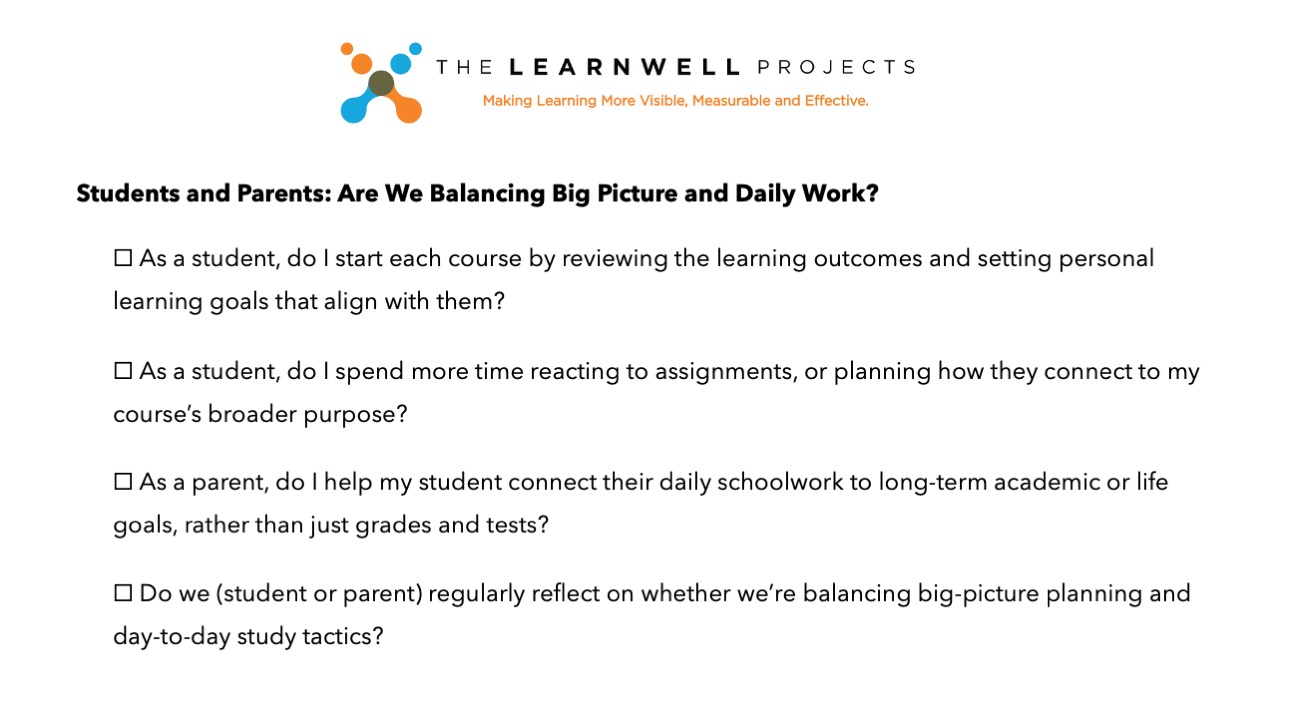
Macro and Micro Learning Reflection Checklist: For Learning Centers, Instructors, and Families
Understanding the balance between macro and micro labor isn’t just an individual pursuit—it’s a shared responsibility among learning centers, professors, and families.
Use the checkboxes below to assess where your practices emphasize big-picture regulation (macrolabor) versus targeted actions (microlabor).
Macro + Micro Synergy: Turning Learning into Harmony
In the grand scheme of learning, understanding the interplay between macro and micro labor is like finding the rhythm that turns noise into music.
By embracing both the big-picture metacognitive framing and the fine-grained daily efforts, we empower learners not just to work harder, but to work smarter and more purposefully.
Let this be your reminder that every student, every educator, and every learning center has the capacity to transform academic work into something more meaningful.
When we nurture this balance, we’re not just checking boxes—we’re ensuring students have a valuable academic experience, become lifelong learners and thrive in their careers.
If you’d like the PDF version of this article, leave a thoughtful comment below.


1 comment
Brenda Lecklider
I have used the concept of micro and macro labor in previous classes. In fact, that is one of my topics for today’s class (timely email – smile). What I like about this idea is the specific questions that I can use to help students learn to think independently about their learning.