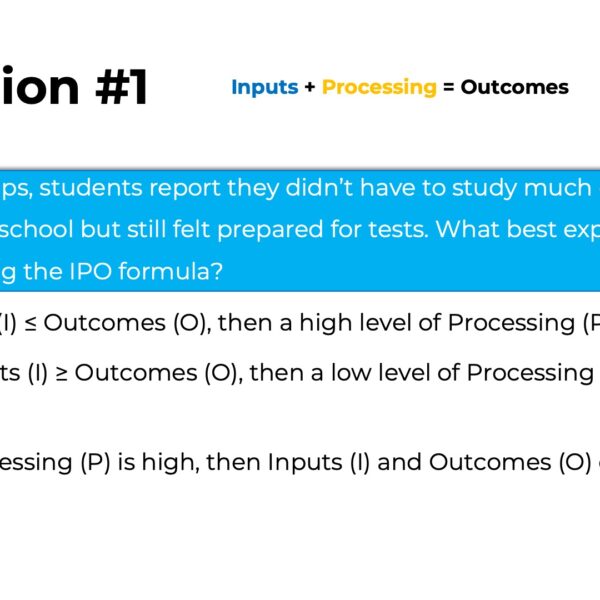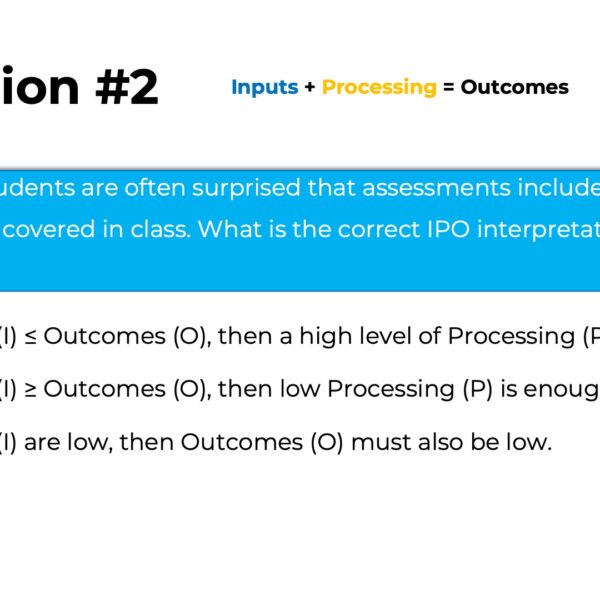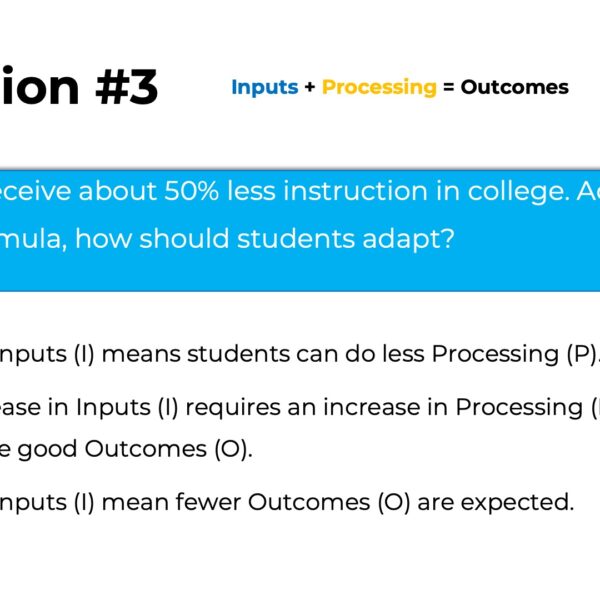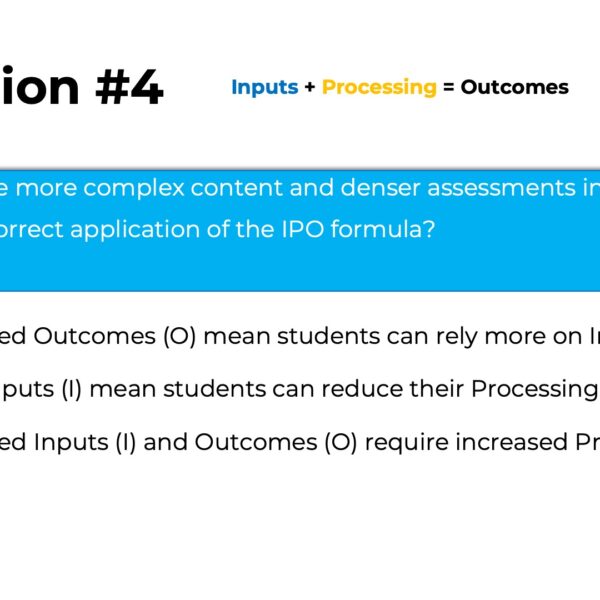
In just a few weeks, millions of students will walk onto college campuses. It will be a new start for some, while others will return to continue their academic journeys. As someone who has spent thousands of hours analyzing how high school and college students approach academic work, one thing is clear: success in college isn’t automatic. It requires a strategic transition.
In 2013, I wrote about my hands-on experience helping high school graduates transition from barely surviving to thriving in their first year of college. The article generated hundreds of comments from college students, parents and educators throughout the world. Since then, I’ve worked with dozens of colleges and universities and thousands of students throughout North America.
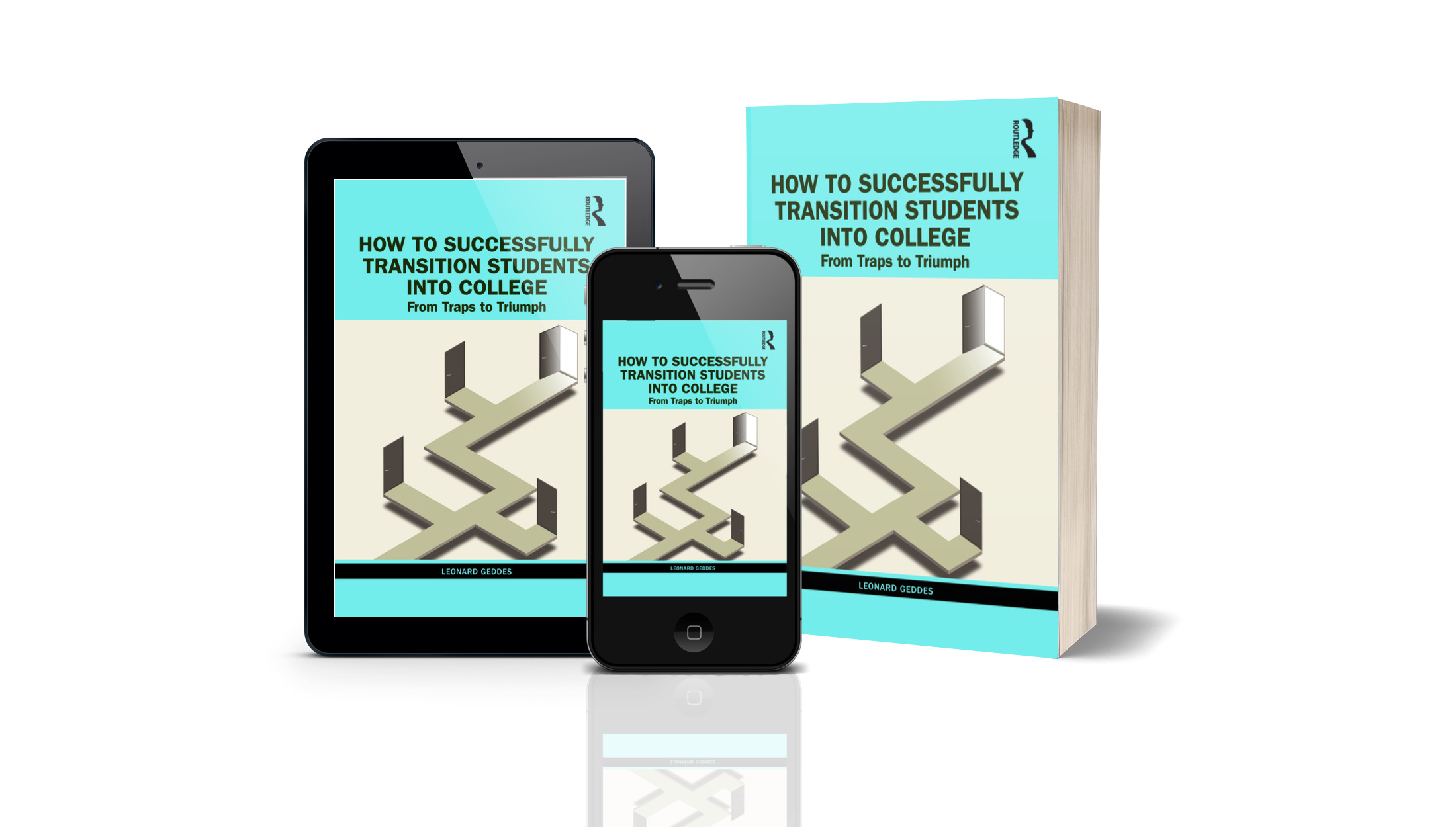
That work laid the foundation for my latest book, How to Successfully Transition Students into College: From Traps to Triumph, where I reveal three common traps that prevent students from making a strong start.
Last week, I took that insight a step further by hosting an escape room-style virtual conference designed to help educators identify and navigate these traps with their students. The experience was both transformative and practical.
With higher education under more pressure than ever, we need to ensure students, educators, and institutions alike are equipped for unbound academic success. To support your thinking as you prepare for the upcoming year, I’m sharing a video, a formula, and a set of Slides to Ponder—resources designed to spark reflection and action.
Let’s help our students not just attend college, but triumph in it.
The BIGGEST Difference Between High School and College
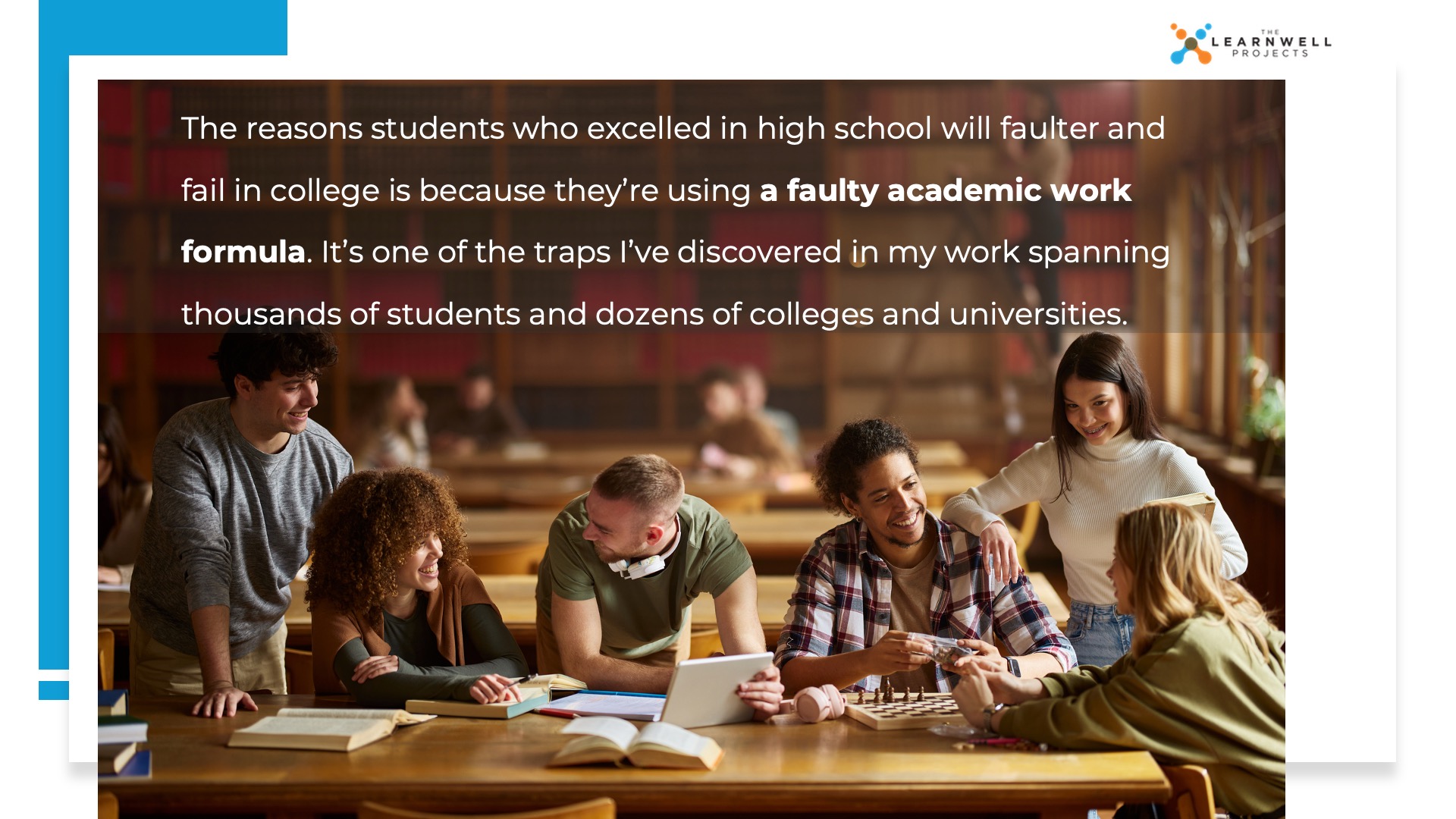
Slides to Ponder
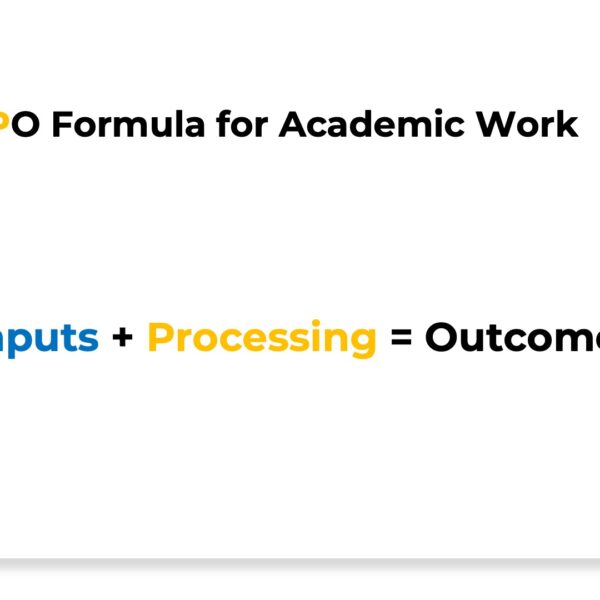
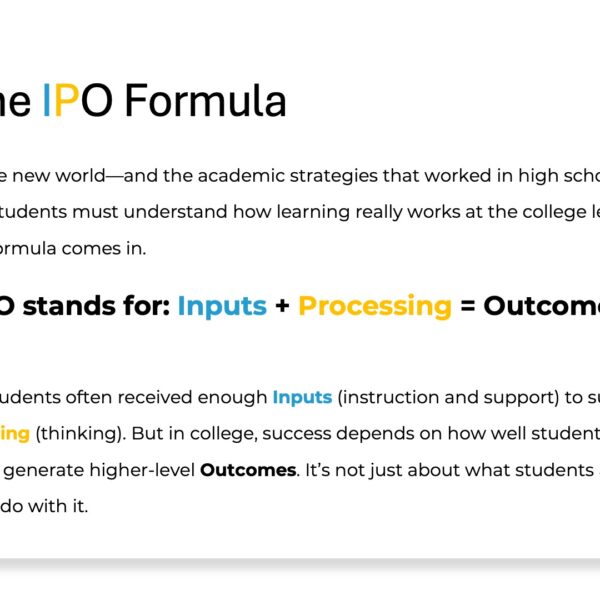
During the conference, I emphasized the inextricable link between course learning outcomes and students’ mental processing of academic inputs. Metacognitive researchers have consistently affirmed that students who study “hard” but lack direction for their efforts waste time and are ineffective learners. In my semesterly Transforming Good Students into Great Learners workshops, originally conducted at Lenoir-Rhyne University, I operationalized this research. My work consistently showed that when students are clear about what academic work truly entails, they learn and perform at impressively high levels.
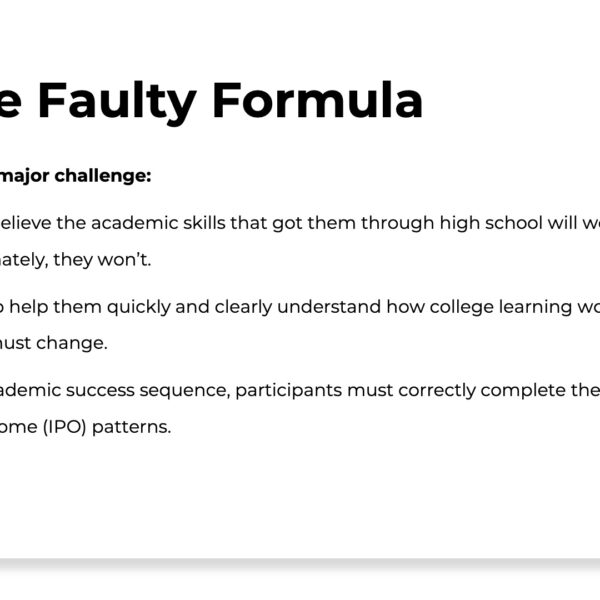
As O’Brien, Millis, and Cohen (2008) assert in The Course Syllabus: A Learning-Centered Approach, college educators should help students learn both the content and the process involved in academic work. That’s why I unpacked the “Processing” element of the Faulty Formula Trap featured below.
Can you answer all four questions correctly? More importantly, can your students?