Why Dunwoody Matters
A premier story in technical education
Founded in 1914
Dunwoody emerged as one of the nation’s distinctive technical
institutions, rooted in practical education and real preparation
for work.
Deep contribution to CTE
Its early history is tied to the development of vocational and
technical education in the United States, including the influence
of Charles Allen Prosser and the shaping of applied technical
pedagogy.
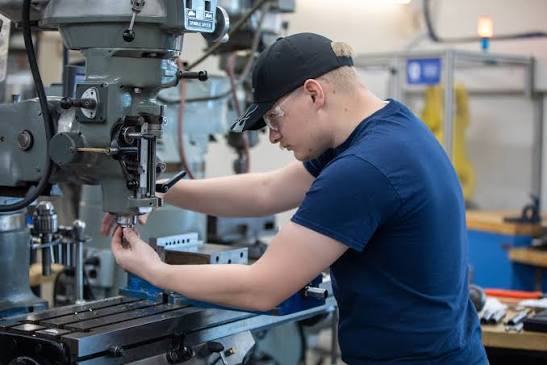
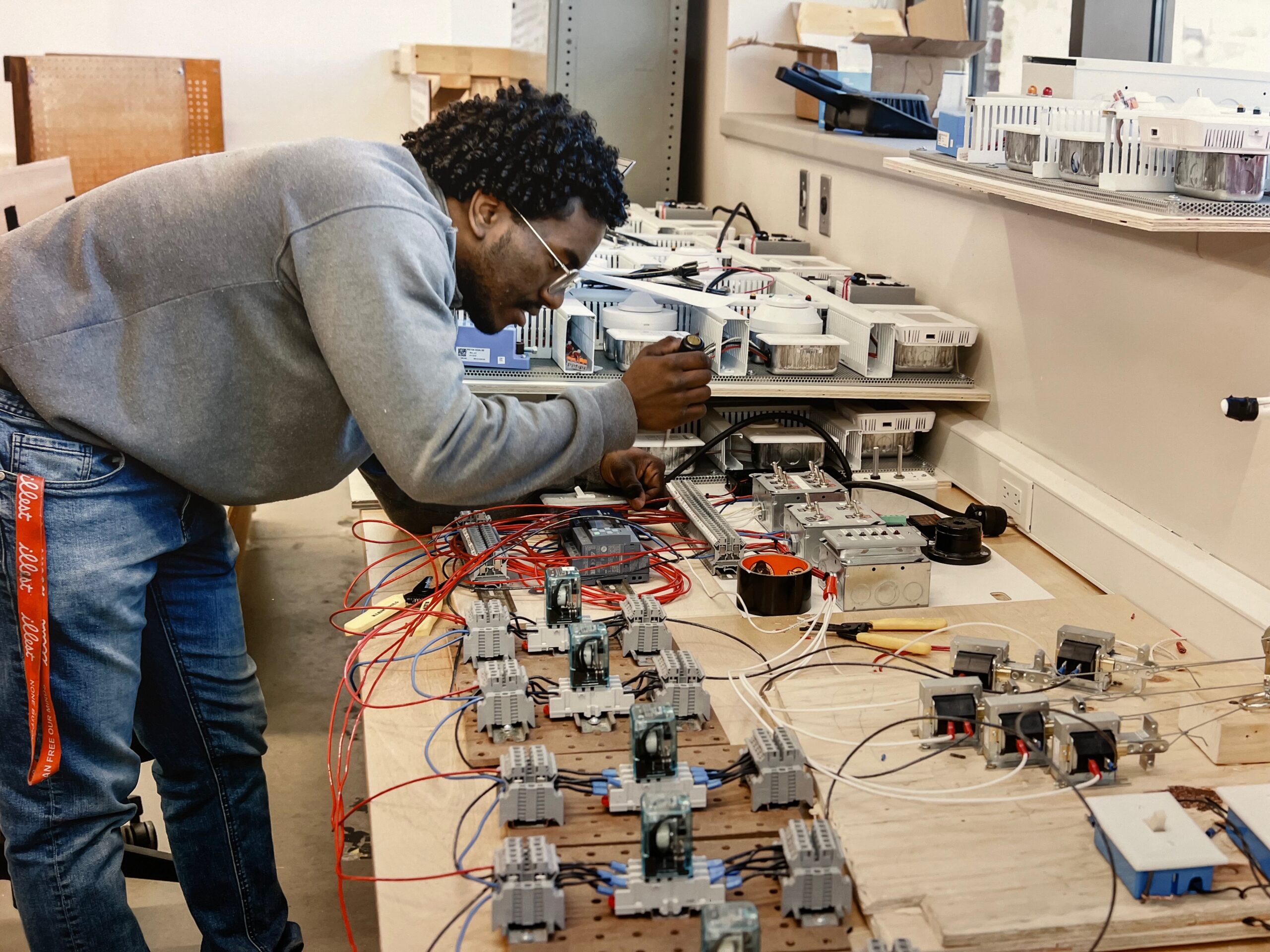
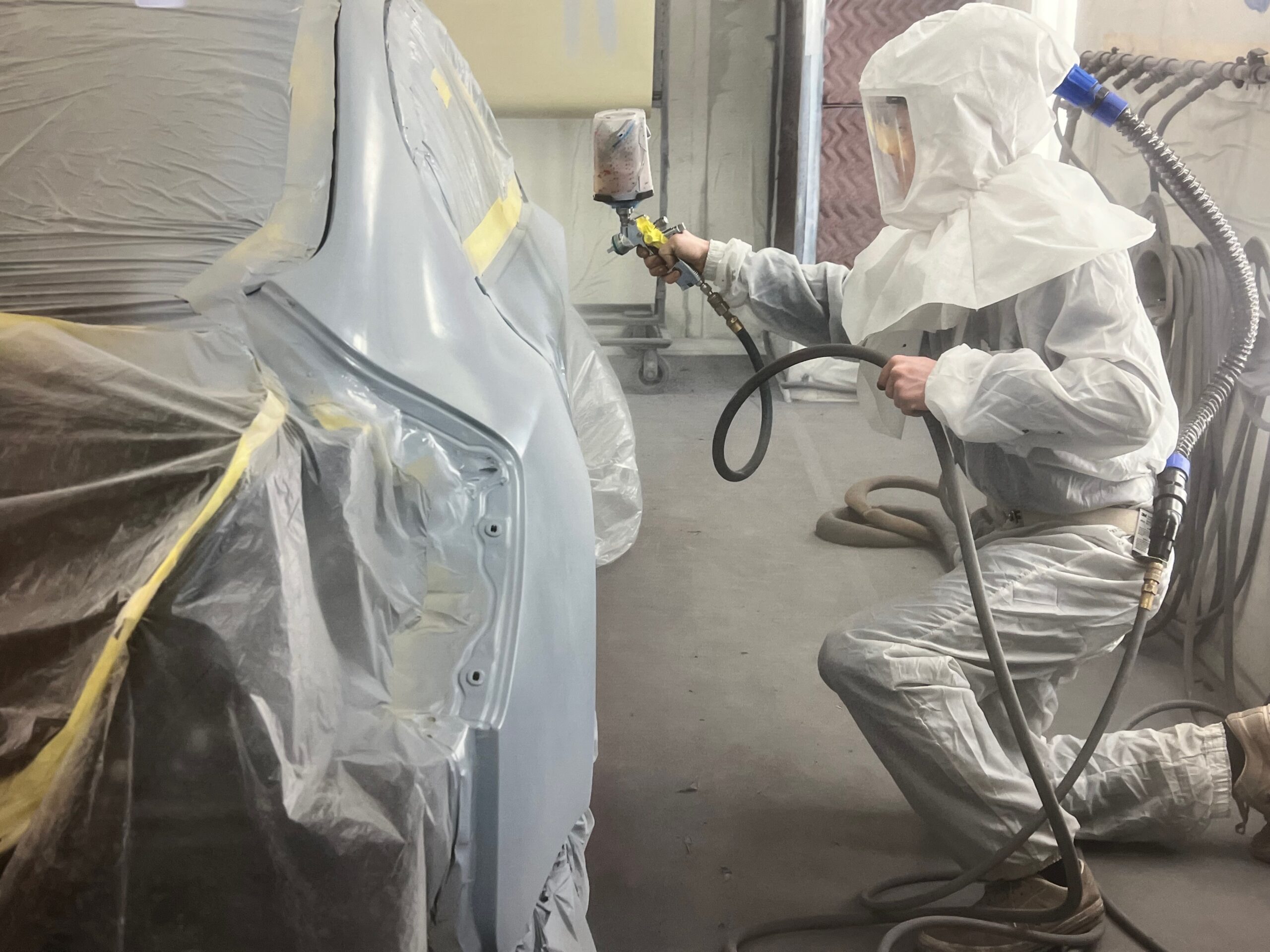
Learn by doing
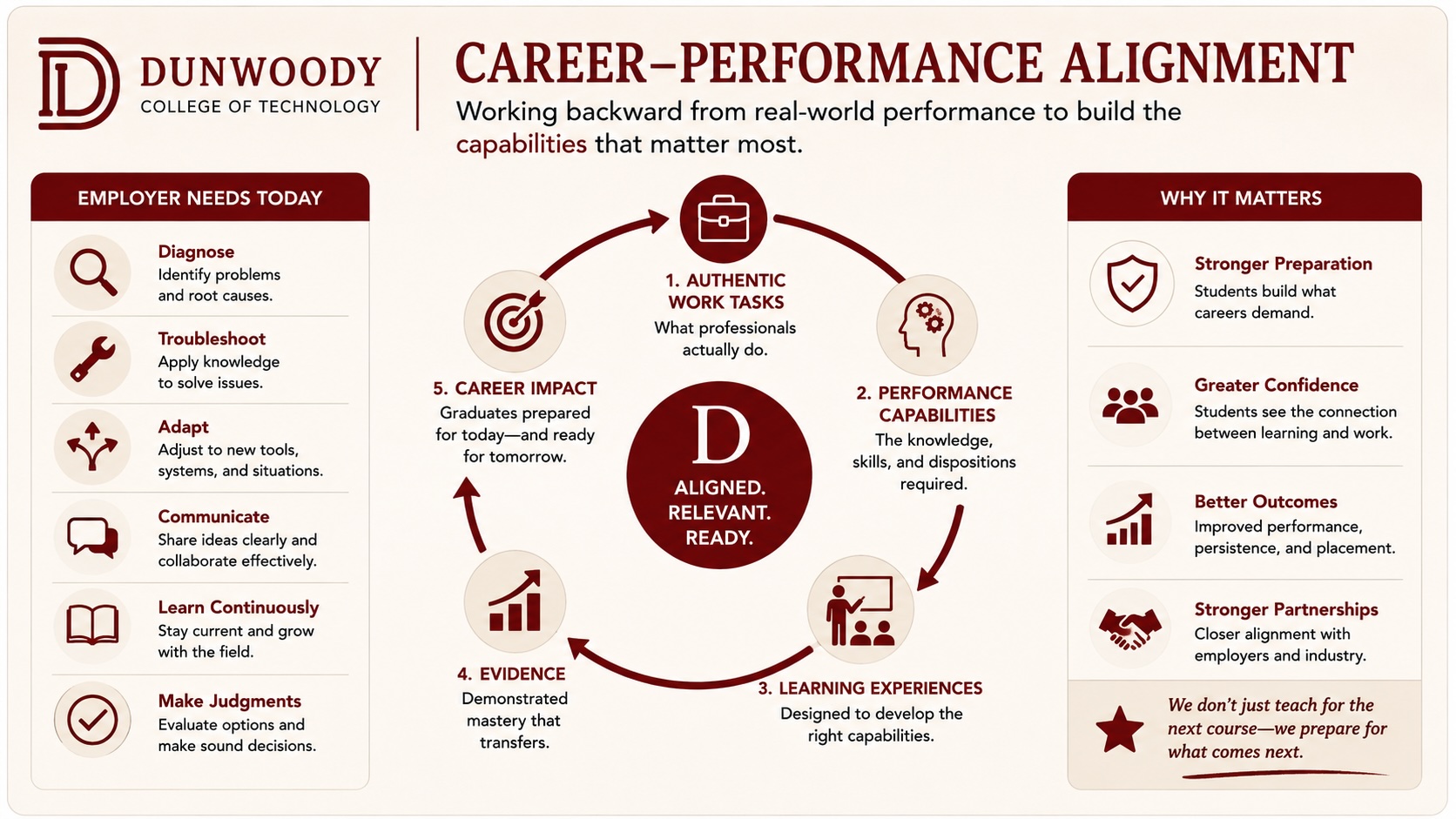
Dunwoody helped model a form of education in which theory, tools,
faculty expertise, and hands-on performance are brought together
in meaningful ways.
That legacy still matters. Dunwoody represents a powerful example of how
hands-on education can be rigorous, modern, and closely connected to both
industry and the public good.
My Joyful Contribution
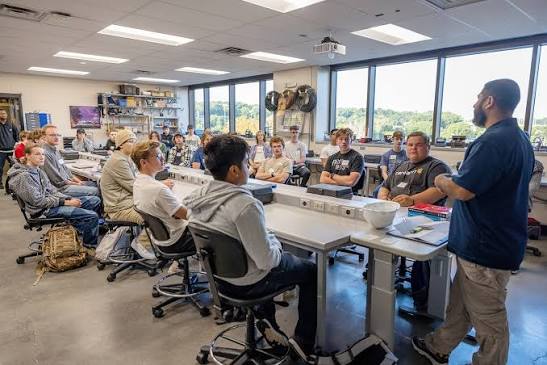
Building on a tradition of learning by doing
My work at Dunwoody began with a practical question: how can we help students — particularly younger students — transition more successfully into college? That question became especially important in the context of Minnesota’s
Postsecondary Enrollment Options (PSEO)
program, which allows eligible high school students, including students as early as 10th grade, to enroll in participating colleges.
The foundation for that work came from my book,
How to Successfully Transition Students into College: From Traps to Triumph,
which examines the often-hidden differences between the academic work students have learned to do before college and the work college requires of them.
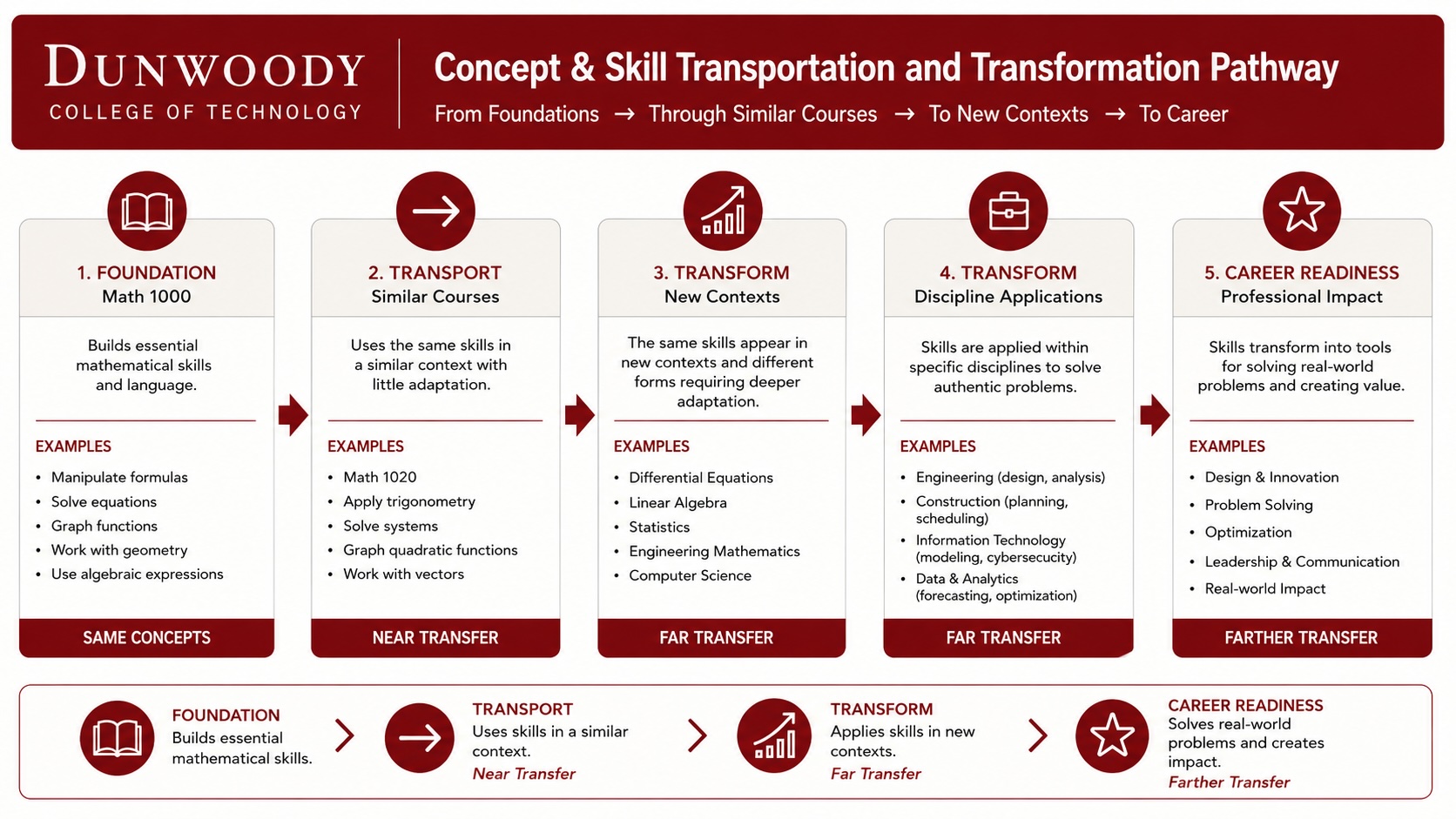
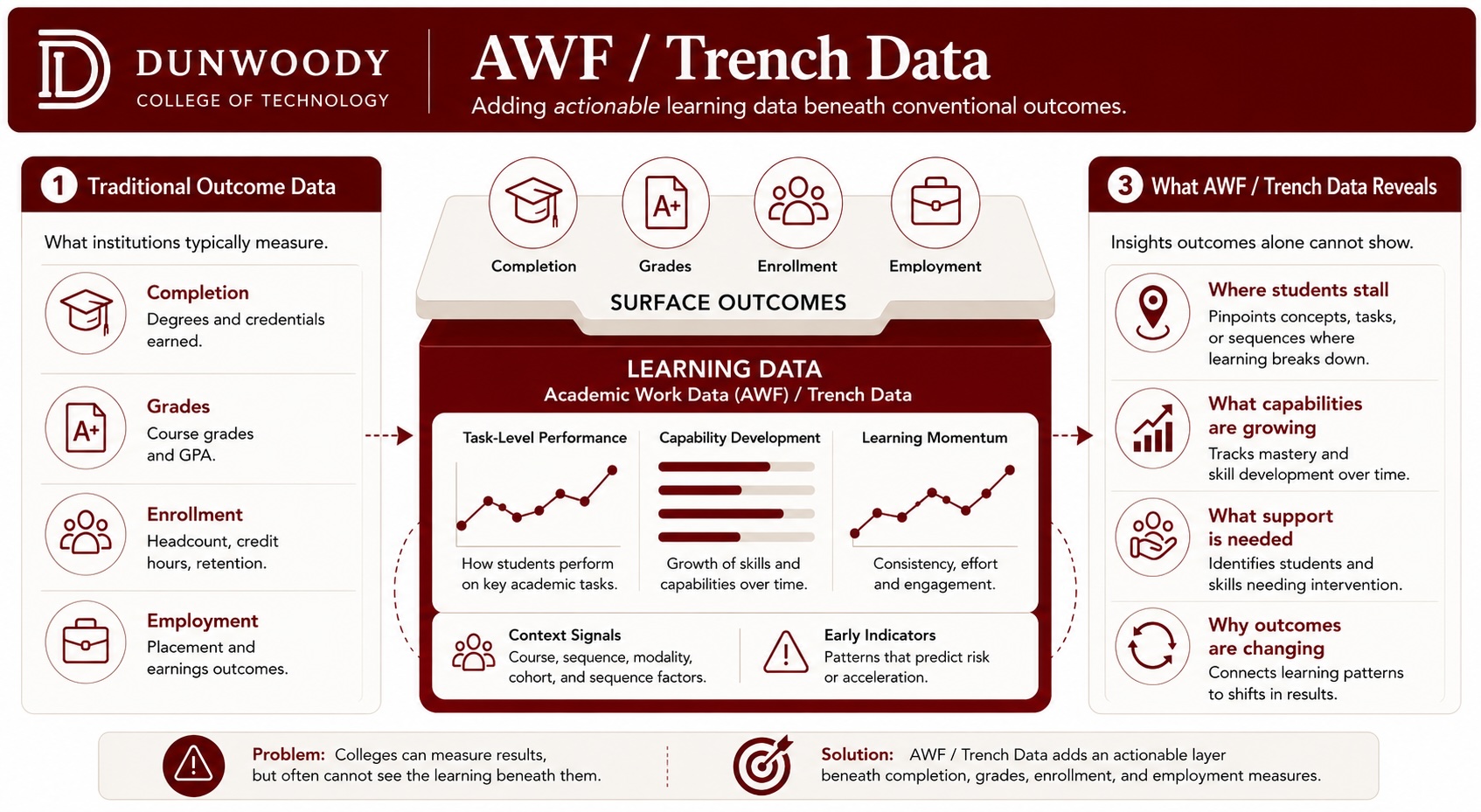
What began as an effort to improve the transition into Dunwoody has grown into something broader. The work has given me an opportunity to build on one of technical education’s strongest traditions while helping make the learning beneath expert performance more visible, transferable, measurable, and connected to professional work.